100mm Ultra-Low Electric Elderly Care Bed with Vertical Height Adjustment
Product Overview
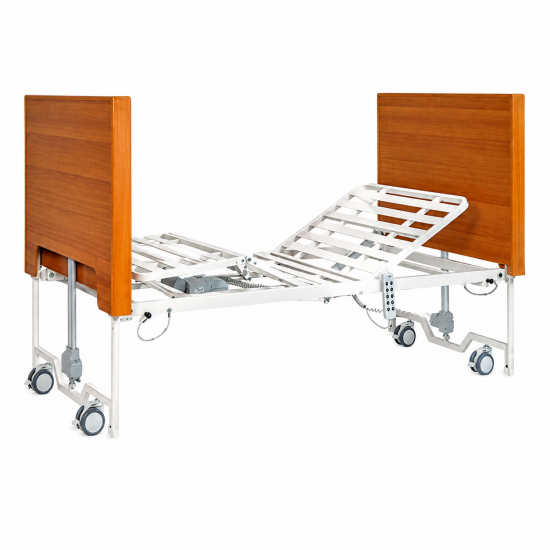
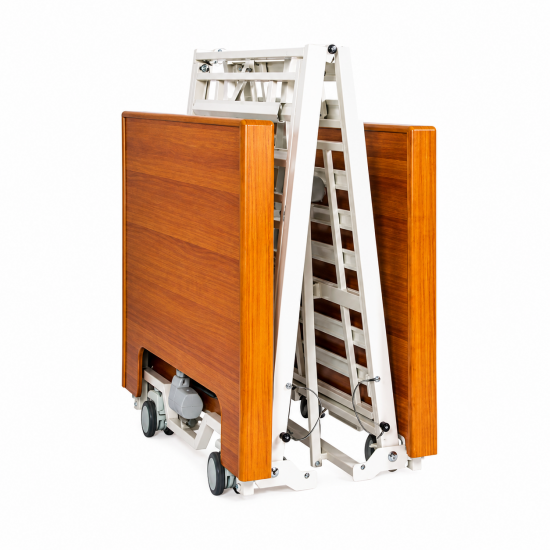
Ultra-Low Electric Bed Designed Around Elderly Care
For elderly residents with reduced mobility, conventional bed height is not always the most suitable choice. This electric elderly care bed is designed around an unusually wide 100–500 mm platform height range, allowing the sleeping surface to descend close to floor level while still providing a practical raised position for everyday nursing tasks.
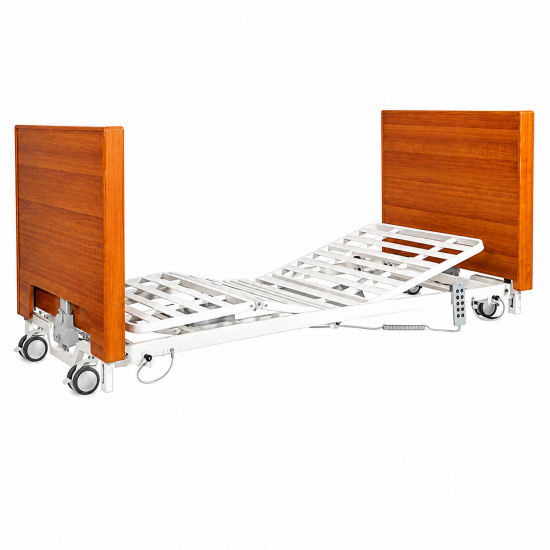
The bed combines ultra-low positioning with electric backrest adjustment, knee-rest elevation, whole-bed height adjustment, Trendelenburg and reverse Trendelenburg positioning. A foldable frame adds another practical advantage for nursing homes, elderly care facilities and equipment suppliers that need to manage storage space efficiently.
100 mm Minimum Height for Low-Level Elderly Care
Bringing the Sleeping Platform Closer to the Floor
The defining feature of this model is its approximately 100 mm minimum platform height. When lowered completely, the bed places the resident much closer to floor level than a conventional nursing bed.
This low-profile configuration is particularly relevant for elderly care environments where residents may have limited mobility, difficulty maintaining balance or a tendency to move from the bed without assistance. Lowering the sleeping surface can help reduce the potential fall distance compared with a bed left at a conventional nursing height.
A Different Approach to Bedside Safety
For long-term care procurement, safety should not be evaluated only by the presence of side rails. Bed height itself is another important consideration. An ultra-low bed provides caregivers with an additional positioning option when developing an appropriate care environment for individual residents.
Buyers looking for different configurations can also compare other models in our Nursing Bed range according to resident mobility, facility requirements and required adjustment functions.
100–500 mm Vertical Height Adjustment
Low for the Resident, Higher for the Caregiver
Keeping a bed permanently close to floor level may benefit certain care situations, but it is not necessarily the ideal height for caregivers performing routine nursing tasks. This model therefore provides electric whole-bed adjustment from approximately 100 mm to 500 mm.
100 mm Low Position
The lowest setting is intended for situations where reducing the height of the sleeping surface is preferred.
Up to 500 mm Raised Position
When caregivers need better access for personal care, repositioning, bedding changes or other bedside activities, the complete platform can be electrically raised to approximately 500 mm.
Vertical Lifting Instead of Large Longitudinal Travel
The lifting mechanism is designed to move the platform in a predominantly vertical direction. Rather than producing substantial forward or backward displacement during height adjustment, the bed rises and lowers in a near-straight path.
This characteristic is particularly useful in elderly rooms where the bed may be positioned alongside a bedside cabinet, wall or other furniture. It helps keep the bed footprint more predictable throughout height adjustment.
Five Electric Adjustments for Daily Positioning
Electric Backrest Adjustment
The back section can be electrically adjusted from approximately 0° to 75° ±5°. Progressive backrest elevation allows the resident to move from a flat resting position toward a supported upper-body position for activities such as eating, reading, watching television or communicating with caregivers and family members.
Electric Knee-Rest Adjustment
The knee section provides an adjustable range of approximately 0° to 40° ±5°. It can be operated to support different leg positions and can also be combined with backrest adjustment to create a more comfortable semi-seated configuration.
Electric Whole-Bed Lifting
The complete mattress platform can be adjusted between approximately 100 and 500 mm, providing a substantial difference between the resident-oriented low position and the caregiver-oriented working position.
Trendelenburg Positioning
The complete platform can be tilted through approximately 0–12° ±2° in the Trendelenburg direction, expanding the range of positioning configurations available to care staff.
Reverse Trendelenburg Positioning
Reverse Trendelenburg adjustment is also available through approximately 0–12° ±2°. Together with the independently adjustable back and knee sections, this provides greater flexibility than a basic three-function elderly care bed.
Foldable Frame for More Efficient Equipment Management
Compact When the Bed Is Temporarily Out of Service
A nursing bed occupies a considerable amount of floor space even when nobody is using it. This model addresses that issue with a foldable structural design that allows the bed to be converted into a much more compact configuration for storage.
Suitable for Nursing Home Reserve Equipment
Elderly care facilities may need additional beds for occupancy changes, temporary residents or room refurbishment. Foldability makes reserve equipment easier to organize when the beds are not currently assigned to residents.
Useful for Distributors and Rental Companies
For importers, distributors and care equipment rental providers, storage density is an important operational consideration. A bed that can be folded when inactive can reduce the warehouse floor area required for multiple units compared with keeping every bed fully extended.
Built for Repeated Long-Term Care Use
Epoxy-Coated Steel Main Structure
The primary bed structure is manufactured from epoxy-coated steel, providing a stable supporting framework for repeated electric positioning and height adjustment.
Steel Articulated Sleeping Platform
The mattress support platform uses an epoxy-coated steel structure divided into articulated sections. The design supports the movement required for backrest and knee-rest positioning while maintaining a robust foundation for long-term use.
Four Electric Actuators
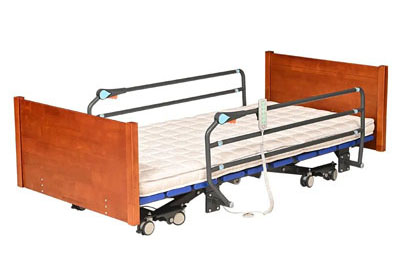
Four electric actuators are used to power the adjustable functions. The movements are controlled through a wired handset, allowing caregivers to change the bed configuration without mechanical crank operation.
Four Double-Sided Casters with Individual Brakes
The bed is equipped with four double-sided casters to support movement within the care environment. Independent braking mechanisms allow the casters to be secured once the bed has been moved into position.
Wood-Finish Panels Create a More Residential Appearance
Long-term elderly care is different from short-term hospitalization. For many residents, the care room becomes their everyday living environment, making the visual character of the equipment increasingly important.
Large wood-finish head and foot panels give this model a warmer appearance than conventional hospital-style equipment. The combination of a residential exterior and an electrically adjustable steel structure allows the bed to provide professional care functions without making the room feel unnecessarily clinical.
Suitable for Long-Term Residential Environments
This design approach makes the bed particularly suitable for nursing homes, assisted living facilities, senior care centers, rehabilitation residences and other environments where elderly users may remain for extended periods.
Why Choose an Ultra-Low Bed Instead of a Standard Nursing Bed?
A conventional electric nursing bed typically focuses on improving patient positioning and caregiver access. An ultra-low elderly care bed adds another dimension: the ability to deliberately reduce the sleeping height when the resident is resting.
With this model, facilities do not have to choose between an extremely low resident position and a practical caregiver working height. The same bed can move from approximately 100 mm to 500 mm according to the immediate care requirement.
The vertical lifting structure further distinguishes the model by minimizing unnecessary horizontal movement during height adjustment, while the foldable frame addresses storage requirements when the bed is temporarily removed from service.
Designed for Different Elderly Care Applications
Nursing Homes
Suitable for facilities requiring electrically adjustable beds for long-term elderly residents, particularly where low-height positioning is part of the facility's care strategy.
Assisted Living Facilities
The combination of powered adjustment and wood-finish exterior makes the bed suitable for environments that need care functionality while maintaining a more residential room design.
Senior Rehabilitation Facilities
Multiple electric positioning functions provide flexibility for residents whose positioning requirements may change during rehabilitation or long-term recovery.
Care Equipment Distributors and Importers
The combination of 100 mm minimum height, 500 mm maximum height, vertical lifting and foldable storage provides distributors with clear technical characteristics that distinguish this model from standard electric care beds.
Key Technical Specifications
Overall Dimensions
Approximately 2240 × 900 mm, with the platform height electrically adjustable from approximately 100 to 500 mm.
Backrest Adjustment
Approximately 0°–75° ±5°.
Knee-Rest Adjustment
Approximately 0°–40° ±5°.
Trendelenburg
Approximately 0°–12° ±2°.
Reverse Trendelenburg
Approximately 0°–12° ±2°.
Height Adjustment
Approximately 100–500 mm with vertical lifting movement.
Frame and Platform
Epoxy-coated steel construction.
Head and Foot Panels
Wood-finish design for a warmer residential appearance.
Drive System
Four electric actuators with wired handset control.
Mobility
Four double-sided casters with independent braking mechanisms.
Storage
Foldable bed structure for a reduced storage footprint when not in use.
Ultra-Low Positioning Without Sacrificing Caregiver Access
The main value of this model is not simply that it can be lowered. It combines an approximately 100 mm ultra-low position with a 500 mm raised care height, allowing one bed to adapt to two very different priorities: low-level positioning for the elderly resident and practical access for the caregiver.
Combined with five electric adjustments, near-vertical lifting, a foldable structure and a residential wood-finish appearance, it provides a specialized solution within our Nursing Bed range for elderly care facilities seeking more than a conventional height-adjustable bed.
For bulk purchasing, OEM requirements or elderly care facility projects, please contact us for configuration and quotation information.
Frequently Asked Questions
Yes, we support comprehensive OEM and ODM customization services. We can adjust bed size, load-bearing capacity, number of adjustment functions, bed surface material, guardrail style and overall color according to your demands. For medical institutions, we can also add matching auxiliary accessories
We support door-to-door global shipping covering Europe, North America, Southeast Asia, Middle East and other regions. All medical beds are shipped with modular packaging to reduce transportation damage. We provide free detailed English paper installation manuals and step-by-step installation video
Our full range of medical beds supports multi-scenario use. Electric medical beds and manual hospital beds are specially designed for general wards, intensive care units and emergency rooms of public and private hospitals. Nursing beds with side rails and anti-fall functions are perfect for nursing
Related Products You May Like
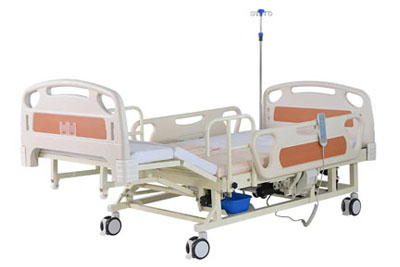
Electric Multi-Functional Bed ...
Electric Nursing Bed with Toilet for Comfortable Elderly CareThis multifunction
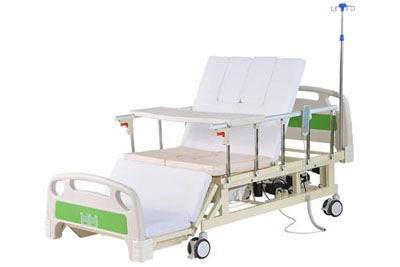
Electric Nursing Home Care Bed...
Electric Home Nursing Bed for Comfortable Elderly CareThis practical home nursin
Ultra-Low Elderly Care Bed wit...
Ultra-Low Electric Nursing Bed for Safer Senior LivingThis advanced low floor el