Ultra-Low Elderly Care Bed Project for a Dementia Care Facility Renovation in France
Product Overview
Ultra-Low Elderly Care Bed Project for a Dementia Care Facility Renovation in France
A dementia care facility in France planned to renovate several resident rooms and replace older nursing beds with modern low-height care equipment. The facility supports elderly residents with cognitive impairment, changing mobility levels, and different daily nursing requirements.
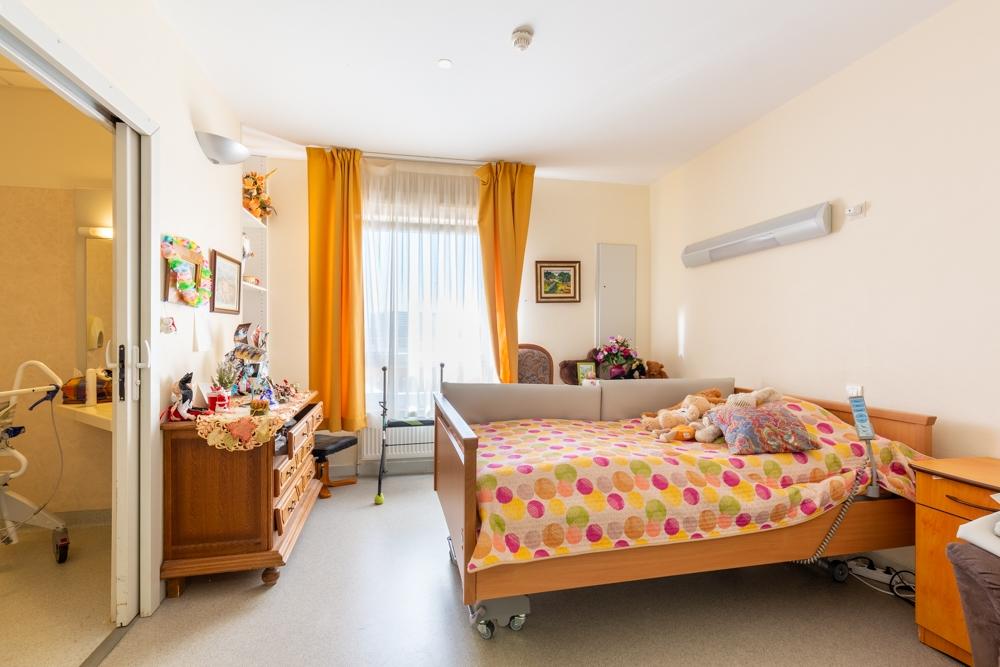
After reviewing the facility's room environment and care procedures, we recommended an ultra-low Elderly Care Bed configuration combining electric adjustment, low-level positioning, and furniture-style wooden components for long-term elderly care.
Project Background
Renovating a Specialized Dementia Care Facility
The renovation project focused on improving resident rooms while maintaining a calm and familiar living environment. The operator wanted to replace aging care beds without introducing equipment that looked excessively clinical.
Changing Resident Mobility Levels
Some residents were able to move independently, while others required regular assistance with repositioning, transfers, hygiene care, and daily activities. Bed configurations needed to support different levels of mobility.
Night-Time Bedside Risk Considerations
For residents who may attempt to leave the bed without assistance, bed height and room layout are important factors in the facility's overall care planning. The customer therefore placed particular attention on low-position bed configurations.
Project Requirements
- Ultra-low bed positioning
- Electric backrest and knee adjustment
- Height adjustment for caregivers
- Residential wooden appearance
- Suitable for long-term dementia care
Recommended Ultra-Low Elderly Care Bed
Low-Level Bed Positioning
The selected care bed configuration can be lowered close to floor level according to the specific model and technical specification. This provides facilities with additional flexibility when planning bedside care for residents with increased fall-related concerns.
Electric Backrest Adjustment
The adjustable backrest allows residents to move from a flat sleeping position to a supported sitting posture for meals, reading, communication, and selected daily activities.
Electric Knee Positioning
Knee section adjustment provides additional resting positions for residents who spend extended periods in bed and require regular posture changes.
Height Adjustment for Nursing Procedures
Caregivers can raise the bed to a more practical working height during selected nursing procedures and return it to a lower position according to the resident's care plan.
Residential Design for Dementia Care Rooms
Wooden Head and Foot Boards
Furniture-style wooden components help the bed integrate more naturally with wardrobes, bedside cabinets, flooring, and other room furniture.
Warm and Familiar Visual Appearance
The facility wanted resident rooms to maintain a residential character. A wooden Elderly Care Bed creates a less institutional appearance than a conventional clinical hospital bed.
Steel-Wood Side Rail Configuration
The side rail design combines structural components with wooden visual elements, creating a practical configuration for elderly care environments.
Coordinated Room Finishes
Wood finishes were reviewed according to the facility's interior renovation plan to create a more consistent appearance across resident rooms.
Bed Selection for Dementia Care Applications
Reviewing Resident Mobility
The customer considered different resident profiles when selecting bed configurations. A single bed position or function level may not meet every long-term care requirement.
Considering Night-Time Care Procedures
Bed height, side rail use, room lighting, floor surfaces, and caregiver monitoring procedures should be considered together when planning dementia care environments.
Simple Handset Operation
Straightforward electric controls help care teams adjust bed positions efficiently during routine nursing procedures.
Planning Different Bed Configurations
The facility reviewed whether selected resident groups required different side rail, mattress, and accessory configurations according to individual care requirements.
Manufacturing and Quality Inspection
Steel Frame Production
The internal bed structure was processed through cutting, welding, surface preparation, and coating before final assembly.
Electric System Installation
Actuators, control components, wiring, and handsets were installed according to the confirmed Electric Nursing Bed functions.
Wooden Component Inspection
Head boards, foot boards, and furniture-style components were checked for surface finish, edge quality, and assembly consistency.
Low-Height Movement Testing
The lifting system was operated through its adjustment range during final inspection to confirm smooth bed movement according to the selected model specification.
Final Safety Component Review
Side rail operation, caster movement, braking systems, structural connections, and other mechanical components were checked before packing.
Project Results
A More Flexible Dementia Care Environment
Low Bed Positioning for Selected Residents
The ultra-low bed configuration provided the care team with additional positioning options for residents requiring closer bedside risk management.
Practical Caregiver Working Height
Electric lifting allowed the bed to be raised during selected care procedures instead of requiring staff to work continuously at a low fixed height.
Improved Residential Room Integration
Wooden components and coordinated finishes helped the new beds fit more naturally into the renovated resident rooms.
Choosing an Ultra-Low Bed for Dementia Care
Confirm the Actual Minimum Bed Height
Buyers should review the technical height range of each model. The minimum platform or mattress surface height may vary according to bed structure, caster size, and mattress configuration.
Do Not Rely on Bed Height Alone
A low bed is only one part of a broader care strategy. Facilities should also consider resident assessment, room layout, floor protection, monitoring, and established nursing procedures.
Review Side Rail Requirements
Side rail configurations should be selected according to resident mobility, facility procedures, and applicable local requirements.
Consider Long-Term Maintenance
Electric actuators, handsets, casters, and other service components should be considered when selecting beds for continuous long-term care use.
Related Elderly Care Solutions
Low Height Nursing Bed for Long-Term Care
Our Low Height Nursing Bed range includes adjustable configurations for nursing homes, dementia care facilities, and elderly care environments.
Wooden Nursing Bed for Residential Care Rooms
Furniture-style wooden bed designs provide electric care functions while maintaining a warmer visual appearance for long-term resident rooms.
Elderly Care Bed Manufacturing for Dementia Care Projects
Support for Care Facilities and International Distributors
OEM and ODM Product Configuration
Electric functions, height ranges, side rail designs, wooden finishes, accessories, product labels, logos, and packaging can be discussed according to project requirements.
Facility Project Production
Production planning can be organized according to bed quantities, selected configurations, and facility renovation schedules.
Spare Parts Support
Spare actuators, handsets, casters, and other service components can be discussed according to selected Elderly Care Bed models.
International Elderly Care Markets
Our care bed products are developed for nursing homes, dementia care facilities, senior living residences, healthcare distributors, and long-term care project buyers in international markets.
Frequently Asked Questions
What is an ultra-low Elderly Care Bed?
An ultra-low care bed is designed with a lower minimum height than conventional nursing beds. The actual height range depends on the selected model and configuration.
Is a low bed suitable for dementia care facilities?
Low-height beds can provide additional positioning options within a facility's broader resident care and risk management strategy.
Can wooden finishes be customized?
Available wood colors and furniture-style components can be discussed according to project quantity and product configuration.
Can bed functions be customized?
Yes. Electric functions, side rails, accessories, finishes, and other configurations can be discussed for OEM and ODM projects.
Discuss Your Dementia Care Bed Project
Select an Elderly Care Bed for Low-Height and Long-Term Care Applications
If you are renovating a dementia care facility, developing a memory care center, or sourcing ultra-low beds for elderly residents, our team can help review height ranges, electric functions, side rail configurations, wooden finishes, and accessories.
Explore our Elderly Care Bed range for adjustable residential-style solutions designed for professional senior care environments.
Frequently Asked Questions
Yes, we support comprehensive OEM and ODM customization services. We can adjust bed size, load-bearing capacity, number of adjustment functions, bed surface material, guardrail style and overall color according to your demands. For medical institutions, we can also add matching auxiliary accessories
We support door-to-door global shipping covering Europe, North America, Southeast Asia, Middle East and other regions. All medical beds are shipped with modular packaging to reduce transportation damage. We provide free detailed English paper installation manuals and step-by-step installation video
Our full range of medical beds supports multi-scenario use. Electric medical beds and manual hospital beds are specially designed for general wards, intensive care units and emergency rooms of public and private hospitals. Nursing beds with side rails and anti-fall functions are perfect for nursing
Related Products You May Like
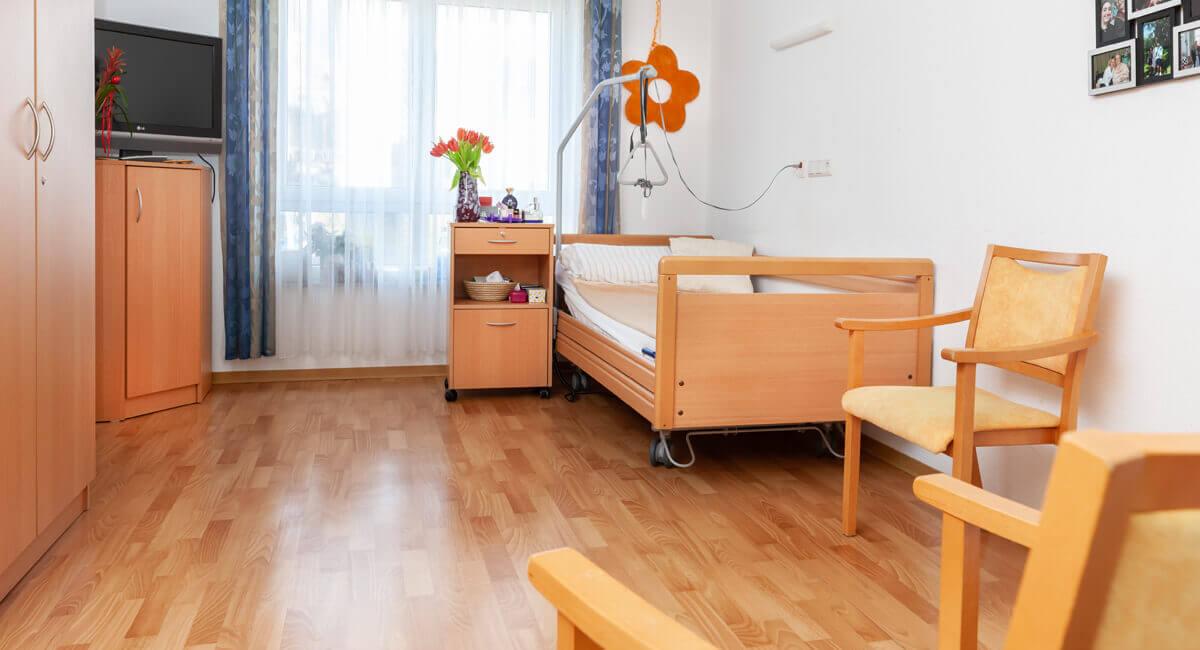
Wooden Elderly Care Bed Projec...
Wooden Elderly Care Bed Project for a Dementia Care Village in GermanyA dementia
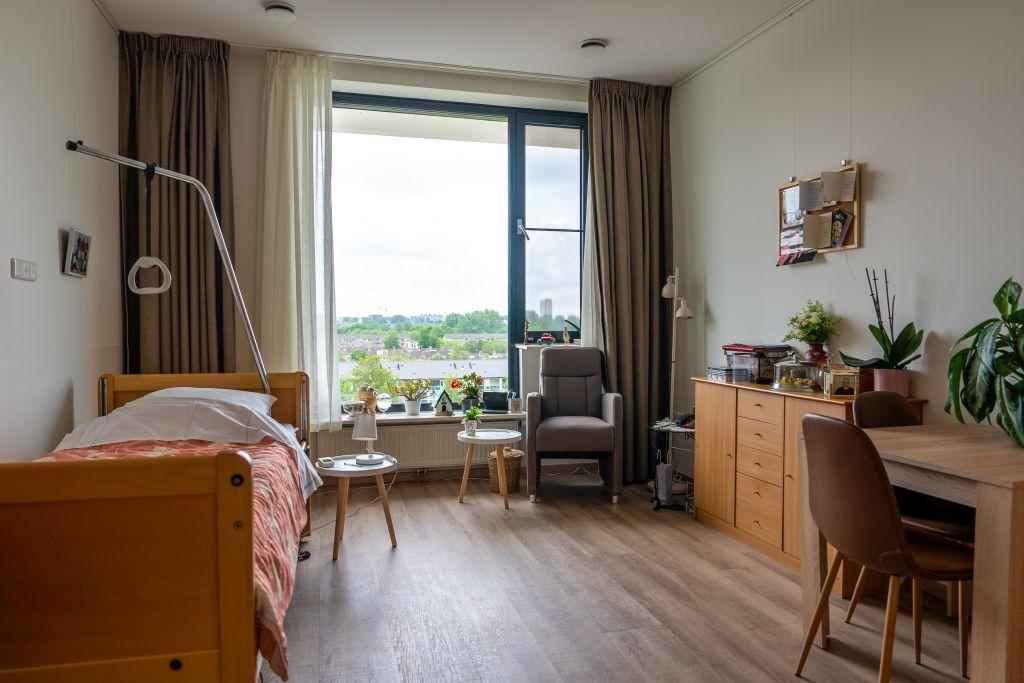
Wooden Elderly Care Bed Projec...
Wooden Elderly Care Bed Project for an Active Aging Community in the Netherlands
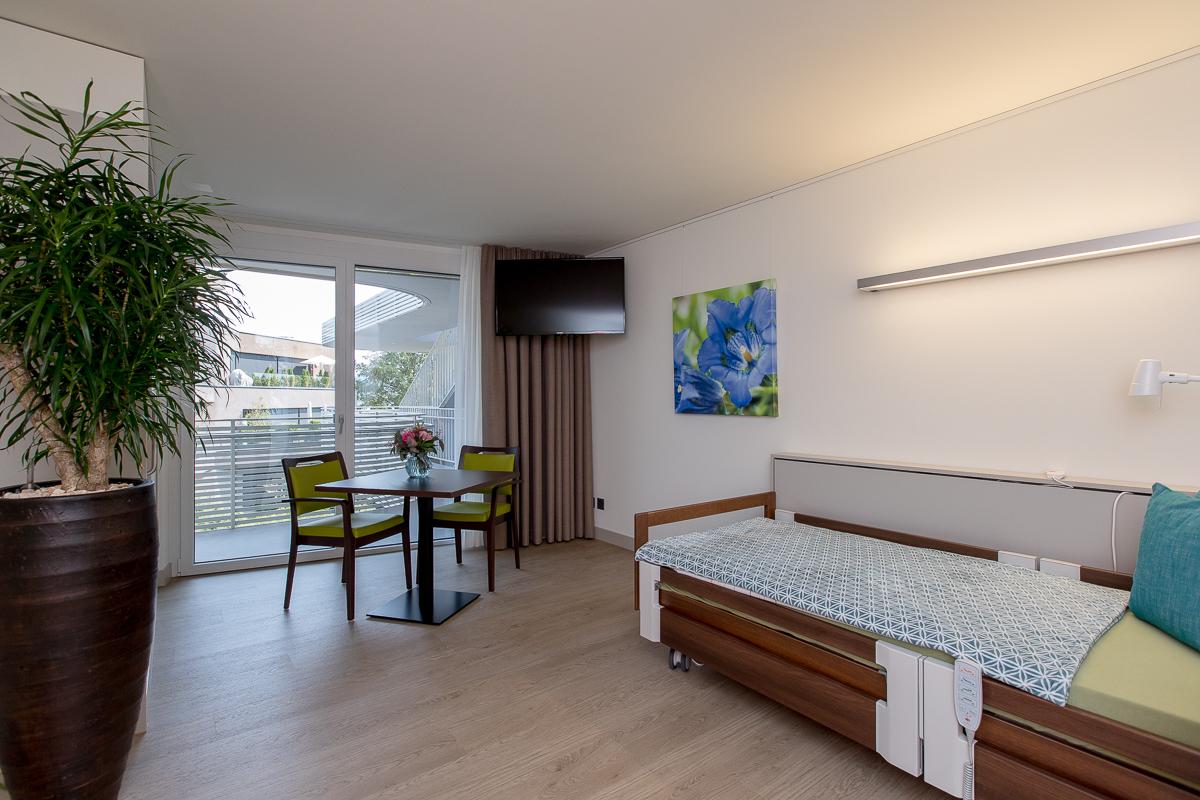
Wooden Elderly Care Bed Projec...
Wooden Elderly Care Bed Project for a Luxury Senior Living Community in Switzerl